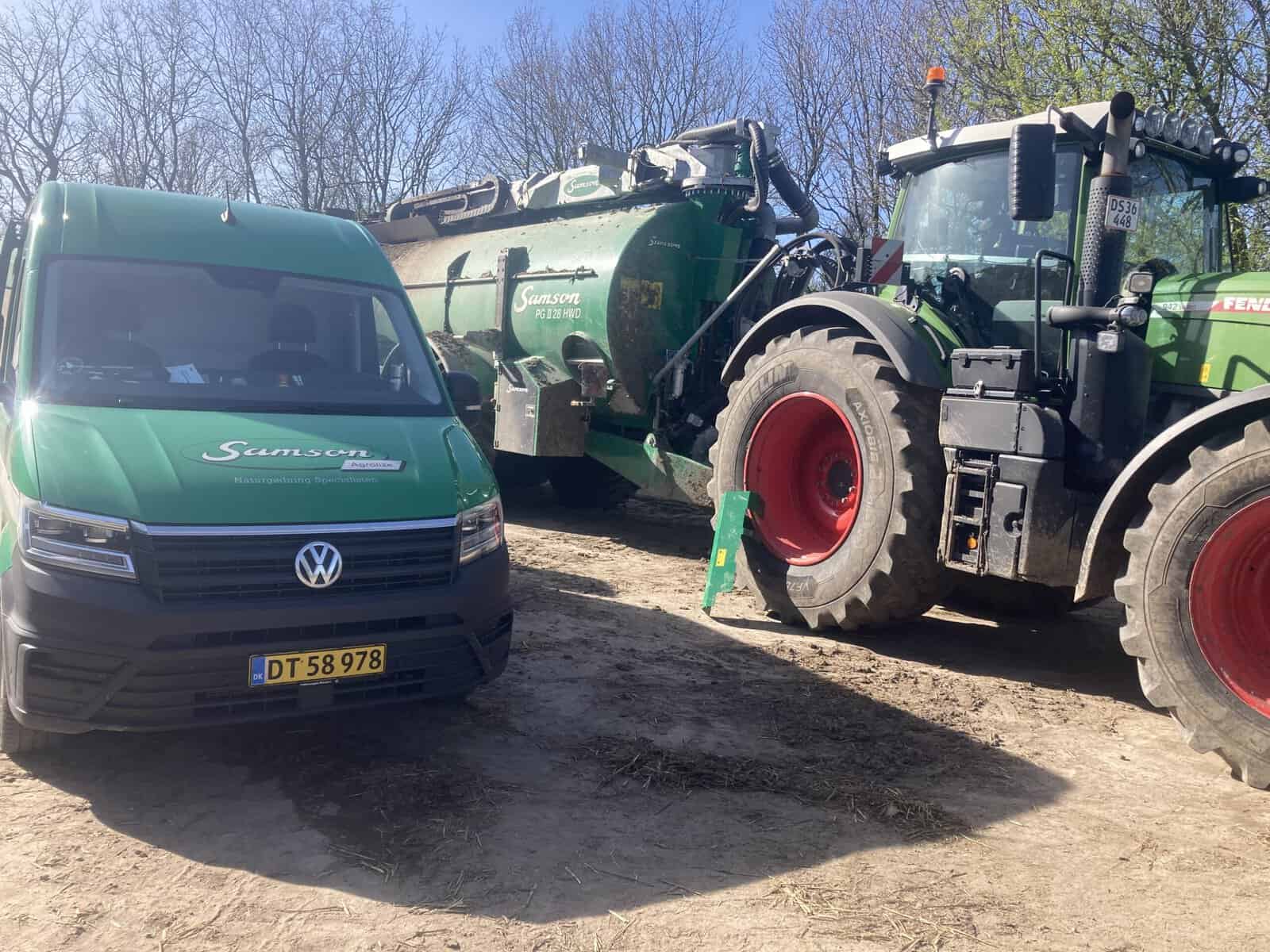
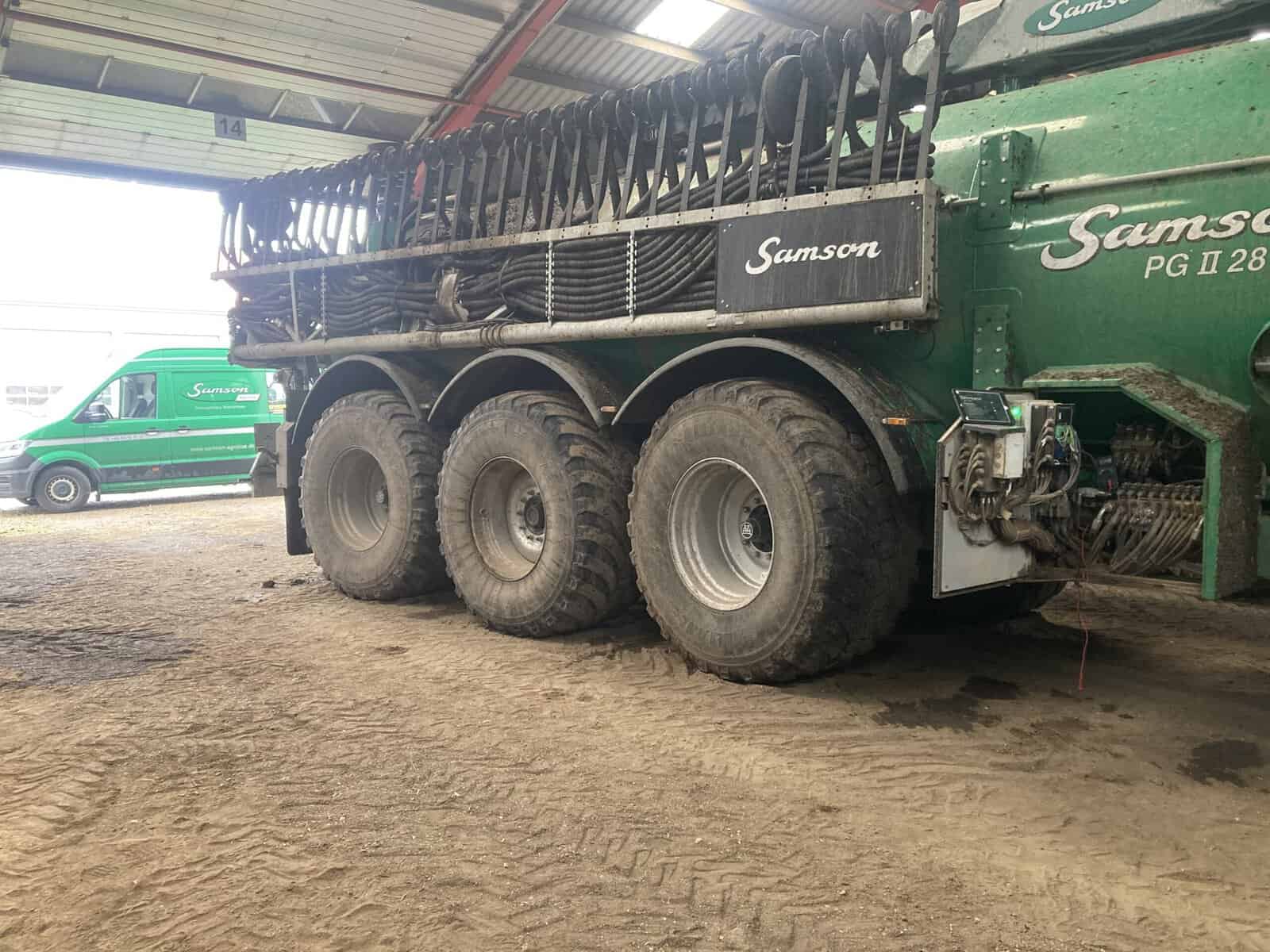
What does a typical workday actually look like for a service technician? At Samson Agrolize, the answer is simple: It’s rarely the same. We spoke with Martin Sørensen, who has been part of our service department since January 2019, to get a glimpse into life on the road, technical challenges, and what drives him in his day-to-day work.
Martin’s career began as a trained mechanic, working for his older brother. Through a friend, he heard about an opening at Samson Agrolize—and even though manure spreaders weren’t on his radar at first, it quickly turned out to be the perfect fit.
“I liked that it was so specialized. It was actually kind of what I’d been looking for—even though I didn’t know it at the time,” he says.
He started out working part-time in the workshop, but quickly became a full-time field technician as the demand grew. Today, he is part of a strong team of nine technicians who cover the entire country.
As a field technician, the day often starts early. For Martin, that can mean leaving as early as 5 a.m., even though he typically arrives at the customer's location around 7 a.m.
Most tasks are planned the day before, but flexibility is an important part of the job:
“There may be days when you don’t know what to do—but it doesn’t take long before the phone rings.”
The length of the workday also varies. Some days end early, while others can stretch into the late evening. For Martin, this is a natural part of the job:
“It varies a lot, but I’m actually okay with that—otherwise, you couldn’t do this kind of work.”
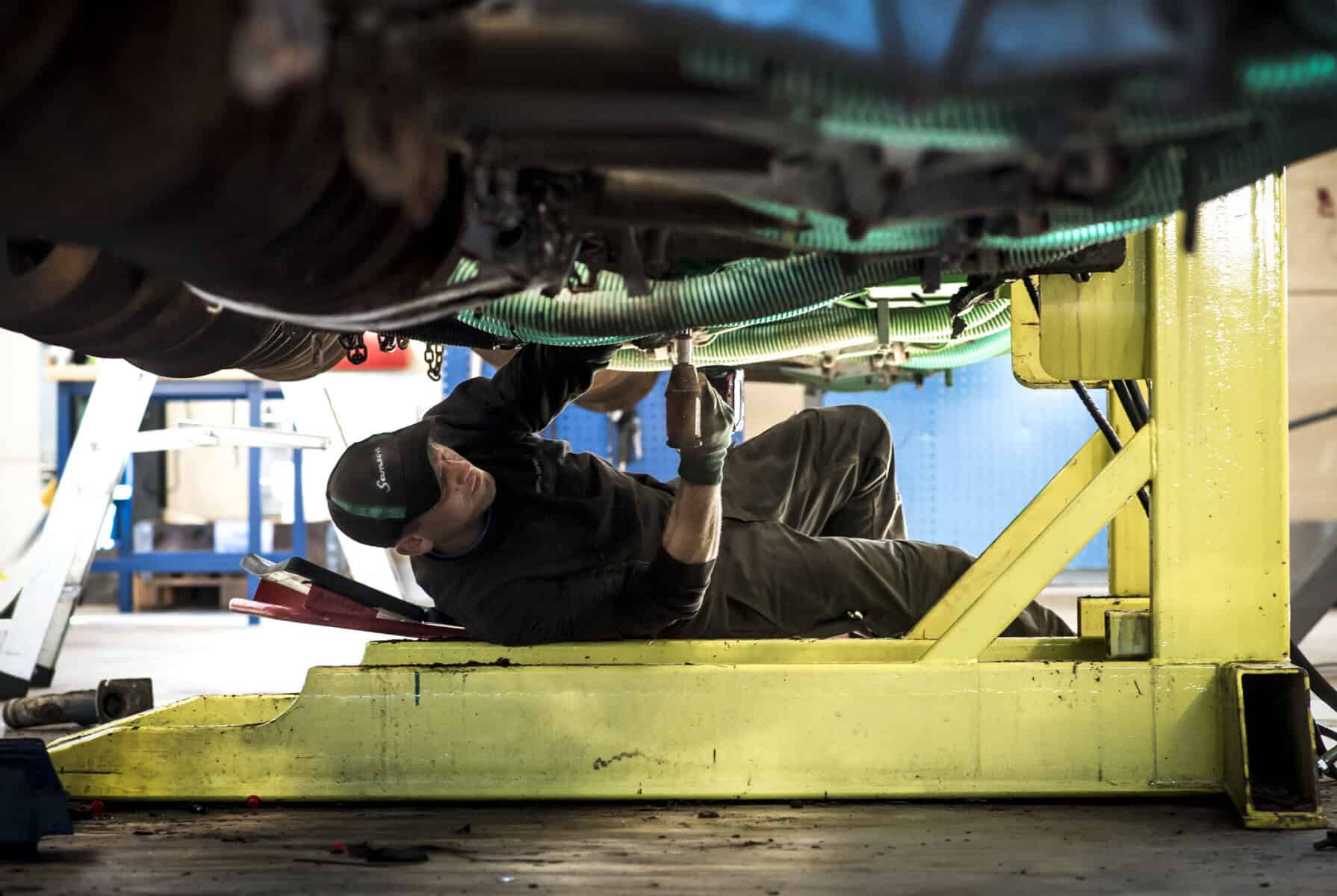
Martin primarily works in Central, Eastern, and Western Jutland, as well as on Funen, but assignments may also take him to Zealand and Bornholm. Planning is done in close collaboration with the office to optimize routes and ensure that the technicians work efficiently in their respective areas.
The tasks vary widely, but one thing is certain: No two days are alike.
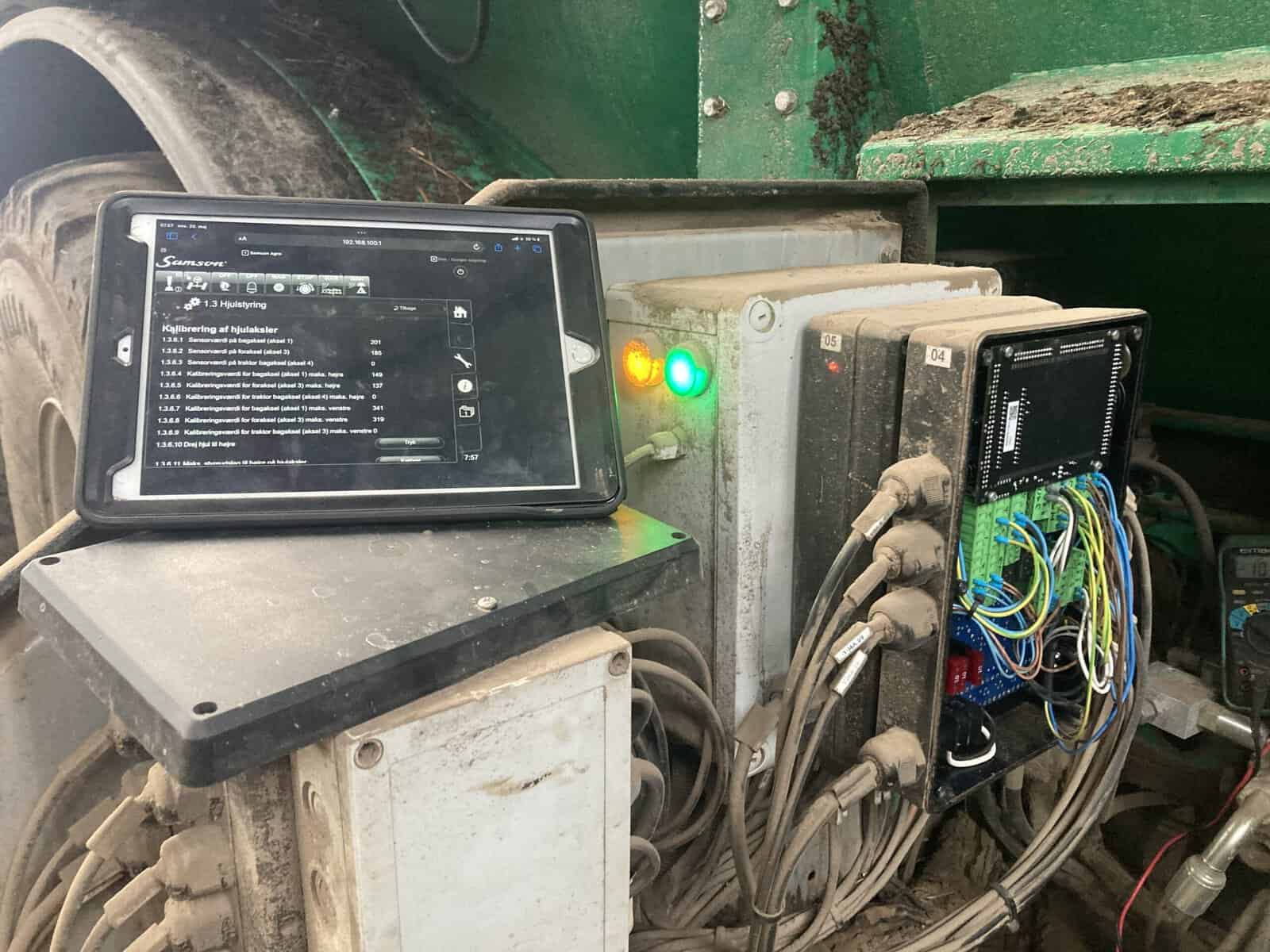
“There’s a lot of troubleshooting—especially with electrical and hydraulic systems. It’s become more technical over the years, and that’s what makes it exciting.”
One of the most challenging aspects of the job is advanced hydraulics, where the problem isn't always visible.
“It’s about figuring out why something isn’t working. You look at diagrams and draw on your experience—and sometimes you’re working with very expensive components, so you have to get it right.”
But it is precisely that experience that can make the biggest difference for the customer. One of Martin’s most memorable experiences was a task he handled over the phone:
A customer on Bornholm discovered that a wheel had broken off the cart and feared it would require an expensive and time-consuming repair. With Martin’s guidance, the customer was able to have the cart repaired locally in just a few hours.
“It’s great when you can help a customer quickly and save them both time and money—even if you’re not physically at their location.”
For Martin, being a field technician is the perfect fit:
“I love getting out and about and meeting different people—from small farms to large estates. There’s such a wide variety, and that’s what makes the job so dynamic.”
The relationship with customers is an important part of the job. It’s not just about repairing a machine, but about finding the right solution together:
“You meet them on their level and find a solution that fits their needs.”
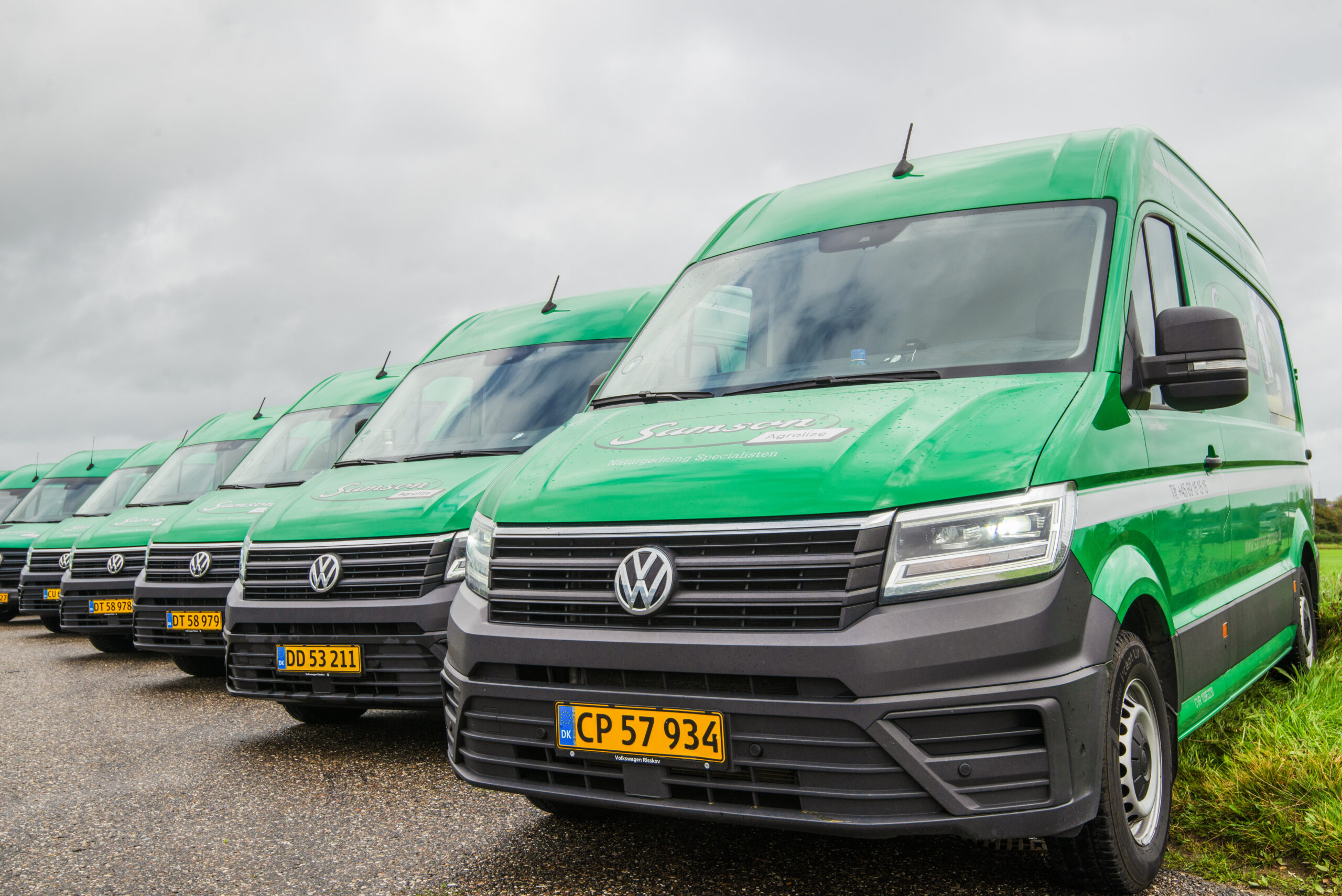
Although technicians often work alone, in practice they are never truly alone. The phone is an important tool, and consulting with colleagues is a regular part of their daily routine.
“We talk on the phone a lot and help each other out. If a coworker has dealt with something similar before, we just have a quick chat. We actually get a lot covered during the day—both work tasks and just how things are going.”
With GPS in the cars, it's easy to see when coworkers are on the road, and that creates a natural opportunity to give each other a quick call and catch up on the day.
It fosters a strong sense of camaraderie, even though the work takes place at the customers' locations.
For Martin, one of Samson Agrolize’s greatest strengths is the specialization that makes it possible to become truly skilled in one’s field.
“We have a narrow product line, and that allows you to become an expert in it.”
At the same time, there’s a clear culture of providing excellent service:
“We’re allowed to be kind to our customers—and that means a lot.”
There is one thing in particular that motivates Martin in his day-to-day work: happy customers.
“A pat on the shoulder from a customer—it just makes you want to give it that extra push.”
And then there’s the variety:
“No two days are alike. That’s what keeps it exciting.”
Through his work, Martin has not only grown professionally but also personally:
“I’ve become more technically proficient, but I’ve also gotten better at staying calm—even when the pressure is on.”
His goal is clear:
“I want to be the person customers call—the one who knows what’s wrong and can help them move forward.”
Service technicians are a vital part of Samson Agrolize. It’s not just about repairs—it’s about relationships, quick response times, and the ability to create value for customers every single day.
At the same time, it shows what it means to be an installer: a workday filled with freedom, responsibility, professional growth, and a strong sense of community—even when you’re on the go.